
Transform Your Workforce with Robotic Massage Stations
Your Gateway to Effortless Passive Income
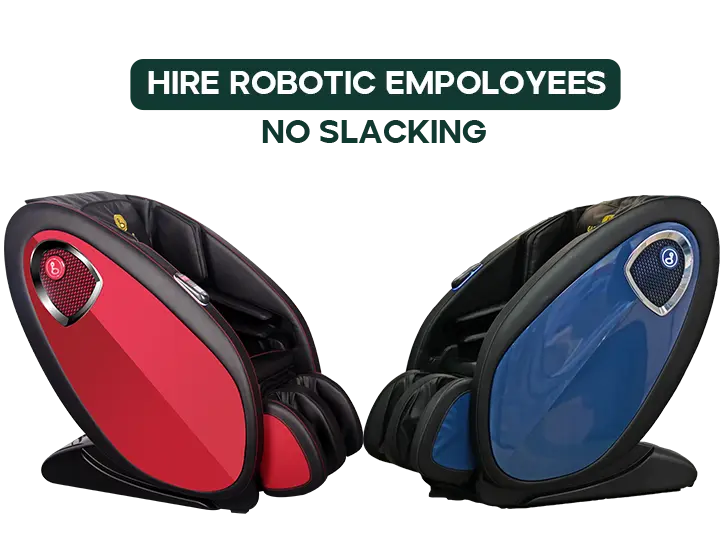
Unlock the door to passive income with iSPA Express, powered by Gagake SPA Technology. Our state-of-the-art full-body massage stations do more than provide comfort – they offer a profitable business opportunity for entrepreneurs, business owners, and anyone looking to achieve financial independence through a simple, rewarding side income.

Why Choose iSPA Express?
About iSPA Express Opportunity
As part of Gagake Spa Technology, a leader in wellness vending solutions, iSPA Express offers more than just products – you’re partnering with a trusted brand committed to innovation and your success. Our goal is to help you achieve financial freedom.
Is iSPA Express Right for You?
- Entrepreneurs looking to diversify business portfolios.
- Business owners adding value to services with innovative wellness products.
- 9-to-5 professionals seeking a hands-off side income.
- Vending operators exploring new ways to boost profits and enhance services.
Certain business / sales experiences needed – if you’re looking for a business that’s easy to run with a low time commitment, iSPA Express is the perfect solution.
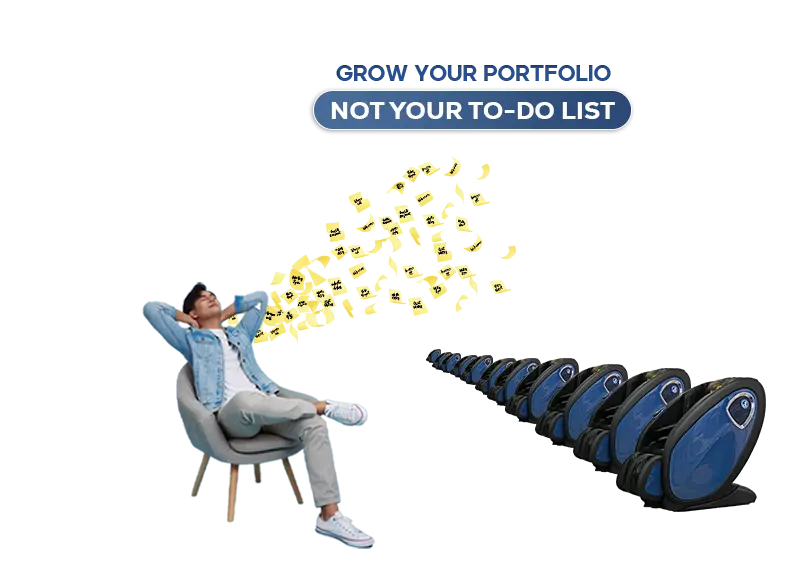

Best Real-time Insights For Grow your Lead Capture
- Real-time insights for generate
- Take quick payments direct from meetings
Best Real-time Insights For Grow your Lead Capture
Sed ut perspiciatis unde omnis iste natus voluptatem doloremque laudantium totames aperiam eaque quaesy inventore architecto beatae vitae dicta
- Real-time insights for generate
- Take quick payments direct from meetings
Partners Testimonials:
Success in Their Words

Emma C.

John R.

Elias G.

Mira C.

Emre C.

James L.
Partnership Opportunities
Ideal For:
Startup operators, early-stage founders, side-hustlers, and small business owners looking to launch and scale a profitable venture with low operational risk.
Benefits:
- ROI: 12 months guaranteed (Certain location criteria apply.)
- Lifetime Revenue Potential/ Chair: $60,000+
Ideal For:
Growth partners, established businesses, and strategic investors seeking to scale their operations, expand market reach, and build long-term revenue streams through a proven business model.
Benefits:
- No licensee fees.
- Discounted equipment prices
- Enhanced marketing support.
- Higher revenue-sharing percentages.


Ideal For:
City and territory partners, visionary entrepreneurs, and regional leaders ready to manage large-scale operations, expand market presence, and dominate their local markets.
Benefits:
- Opportunity to establish a subsidiary company in your region.
- Customized business strategies.
- Exclusive territory rights.
- Premium revenue-sharing model.
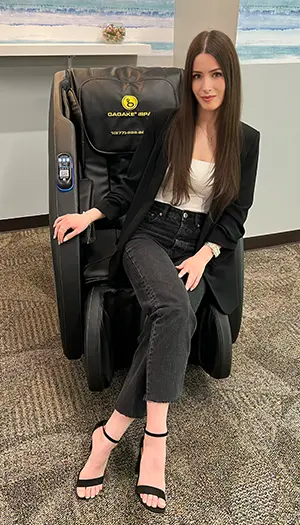
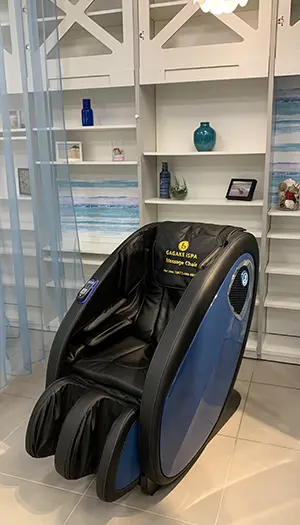
Frequent Ask Questions
The revenue ranges from $300 to $1,000, with an average of $600 per month. If your monthly revenue falls below $300, it may be wise to consider relocating. Typically, the revenue of $300/m indicates less than one use per day. This could mean that either the foot traffic at the location is insufficient, or the demographic isn't a good fit. A key advantage of our chairs is their portability, making relocation a simple process.
If you lack expertise in sales, business development, or negotiation, don't worry. We offer training to equip you with the necessary skills for making deals. This includes guidance on the process, pitching techniques, terms, and document templates. These resources become available to you once you join us and become one of our regional partners.
We advise against attempting to approach locations and secure deals on your own. This process requires specific knowledge, marketing materials, and a thorough understanding of how this passive business operates, which you won't have access to until you join us.
With an average monthly sales revenue of $600, you can expect a return on investment (ROI) in about 6 to 10 months. On a more cautious estimate, you should be able to recoup your investment within 12 months. After that, all earnings will be pure profit. We have instances where some chairs have already reached a significant milestone of $40,000/station in sales.
The onboarding process is simple. First, reach out with your business details, and we’ll provide a customized proposal. After reviewing and signing the partnership agreement and paying the licensing fee, we’ll offer comprehensive support and training to help you secure the right location. You won’t need to pay for the equipment until a location is confirmed. Once secured, the equipment will be preconfigured and shipped directly to your designated location. You can start generating revenue as soon as it’s delivered and plugged in.
Lock in Your Opportunity Now!
It takes less than a minute to fill out our form and begin your journey with iSPA Express. Our team is eager to reach out and guide you step-by-step.
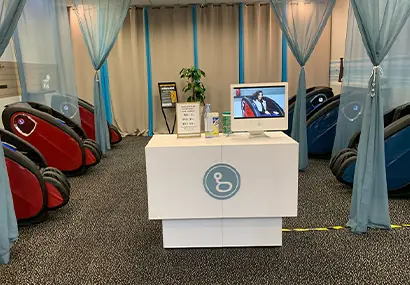
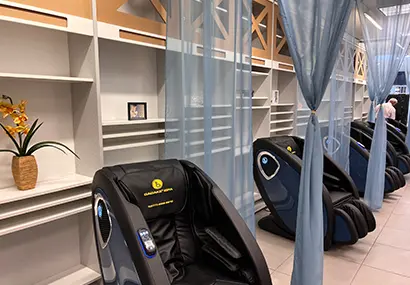
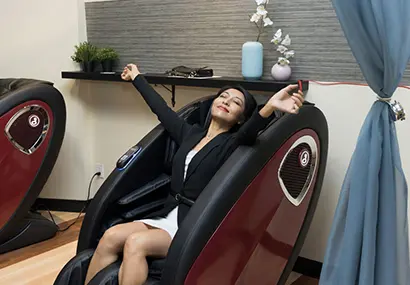
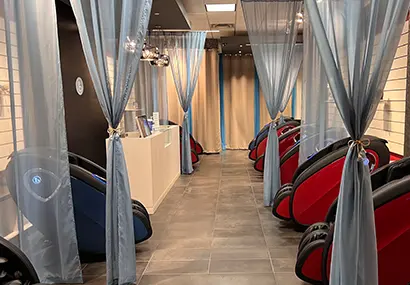
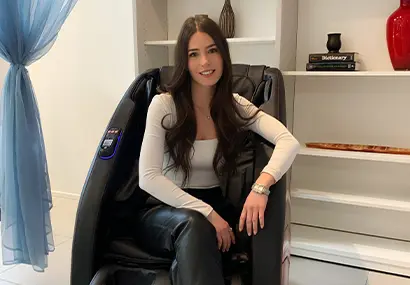
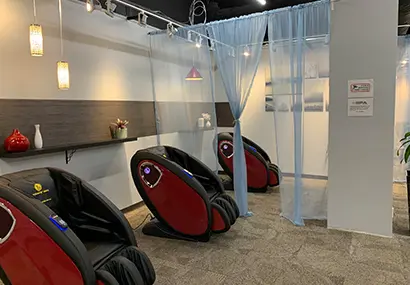
Experience iSPA Express in Action
Take the Leap Toward Passive Income – Get Started Today!
Join the iSPA Express family and start experiencing the benefits of passive income with a trusted brand. Your success story starts here!
