
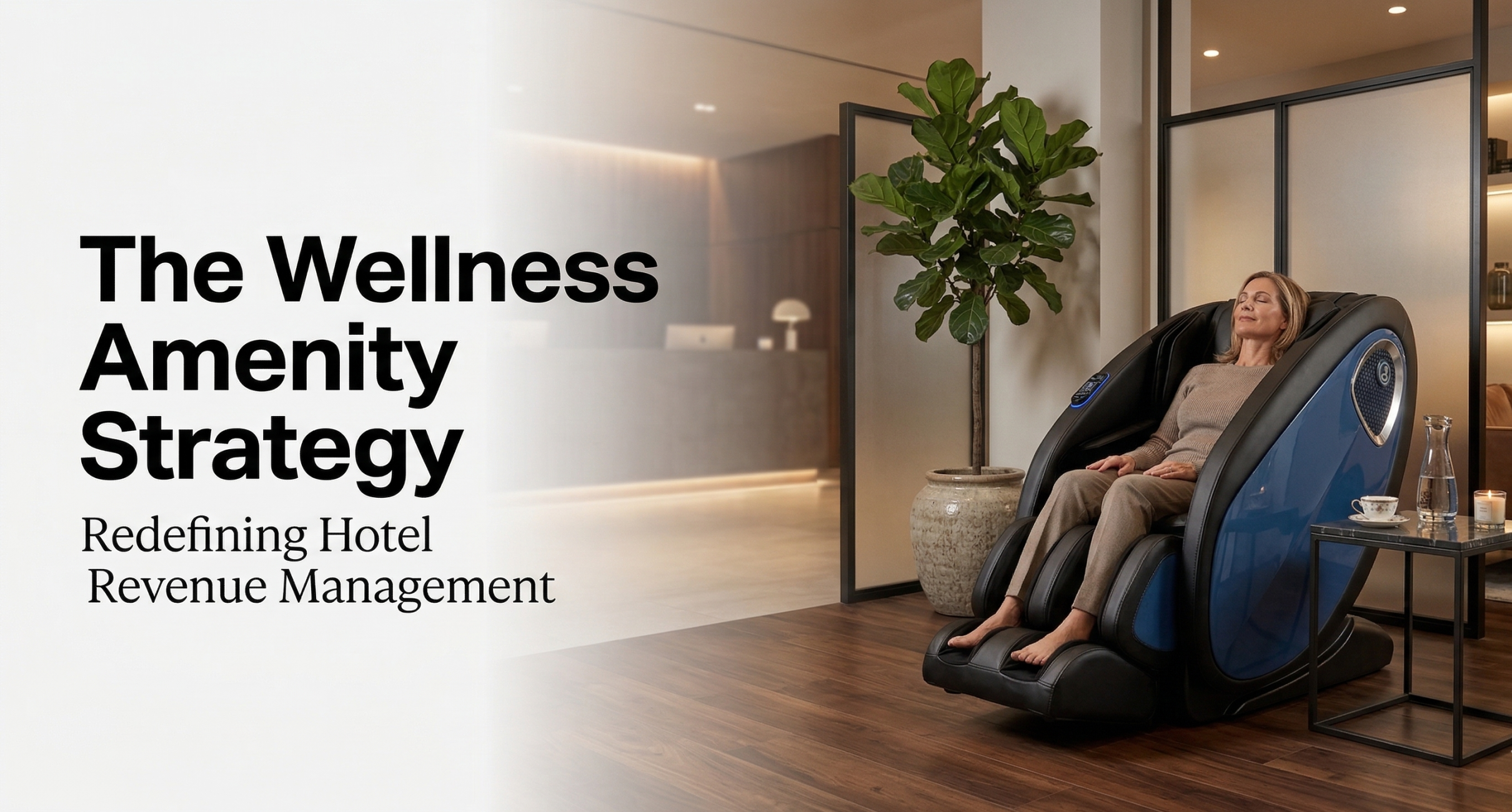

There’s a quiet revolution happening in the hospitality industry, and it doesn’t involve a new booking algorithm or a flashy loyalty program. It’s happening in lobbies, spa corridors, and executive lounges—one deeply relaxed guest at a time. Hotel revenue management has traditionally focused on room rates, occupancy optimization, and food and beverage margins. But forward-thinking hoteliers are increasingly turning their attention to something far more tactile.
The physical experience of comfort that guests carry with them long after checkout. And at the center of this shift is one of the most underrated hotel wellness amenity decisions a property can make: investing in premium massage chair experiences.
The New Calculus of Guest Satisfaction
Modern travelers are not the same guests hotels were designing for a decade ago. Post-pandemic shifts in consumer behavior have fundamentally changed what people expect when they pay for a hotel stay. Guests today are not simply purchasing a bed for the night; they are purchasing a feeling. They want to feel taken care of. They want to feel like they made a smart, indulgent choice. They want to come home from a trip and tell someone, “You won’t believe what this hotel had.” This is where hotel amenities stop being a cost center and start becoming a revenue driver. The data backs this up. Properties that consistently earn top marks on review platforms almost always share a common thread: guests don’t just praise the room.
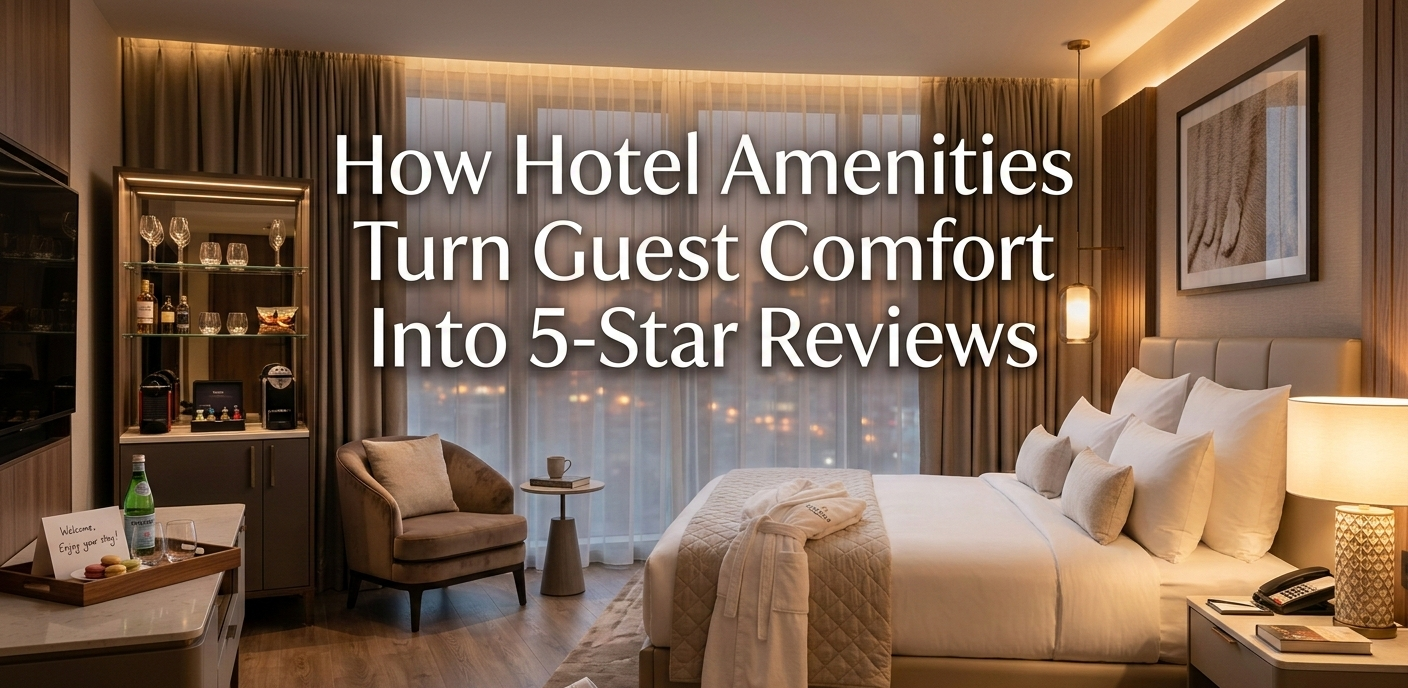
They praise the experience. The unexpected hot towel, the perfectly placed reading chair, and the complimentary amenity made them feel like the hotel genuinely thought about their comfort. These are the details that convert a one-time guest into a repeat booking and a neutral reviewer into a vocal advocate. Vending massage chairs, when positioned and curated thoughtfully, fit precisely into this experiential category. They are visible, tangible, and memorable. They signal investment in guest well-being before a single word is spoken.
Why Wellness Amenities Are Now a Revenue Management Tool
For years, hotel revenue management was almost exclusively a numbers game: yield management, rate parity, and channel distribution. But the discipline has matured significantly. Revenue managers today are increasingly evaluated on total revenue per available room, not just room revenue. This means spa revenue, F&B performance, and ancillary guest spend all fall under the same strategic umbrella. Wellness, in this context, is no longer a soft benefit. It’s a line item. Properties that offer compelling hotel wellness amenities, whether that’s a full-service spa, a well-equipped fitness center, or strategically placed relaxation stations, consistently outperform competitors on length of stay metrics.
When guests have a reason to stay on-property, they spend more. They order room service instead of leaving for dinner. They book an extra night because leaving feels like a loss. This is the compounding logic of great amenities in hotel settings: they don’t just improve guest satisfaction in isolation. They extend the revenue window of every single guest they touch.
The Strategic Placement Opportunity Most Hotels Miss
Here’s where many hotel operators leave money on the table. Wellness is often treated as a destination, something guests have to seek out, book in advance, or pay a premium to access. The spa is down the hall, through the heavy door, available between 9 and 7. This model works, but it captures only a fraction of the potential audience. The smarter play is ambient wellness, bringing relaxation to spaces where guests already are. Executive lounges, airport-connected hotels, business travel hubs, and resort lobby areas all present compelling opportunities to offer on-demand relaxation without the friction of a spa appointment.
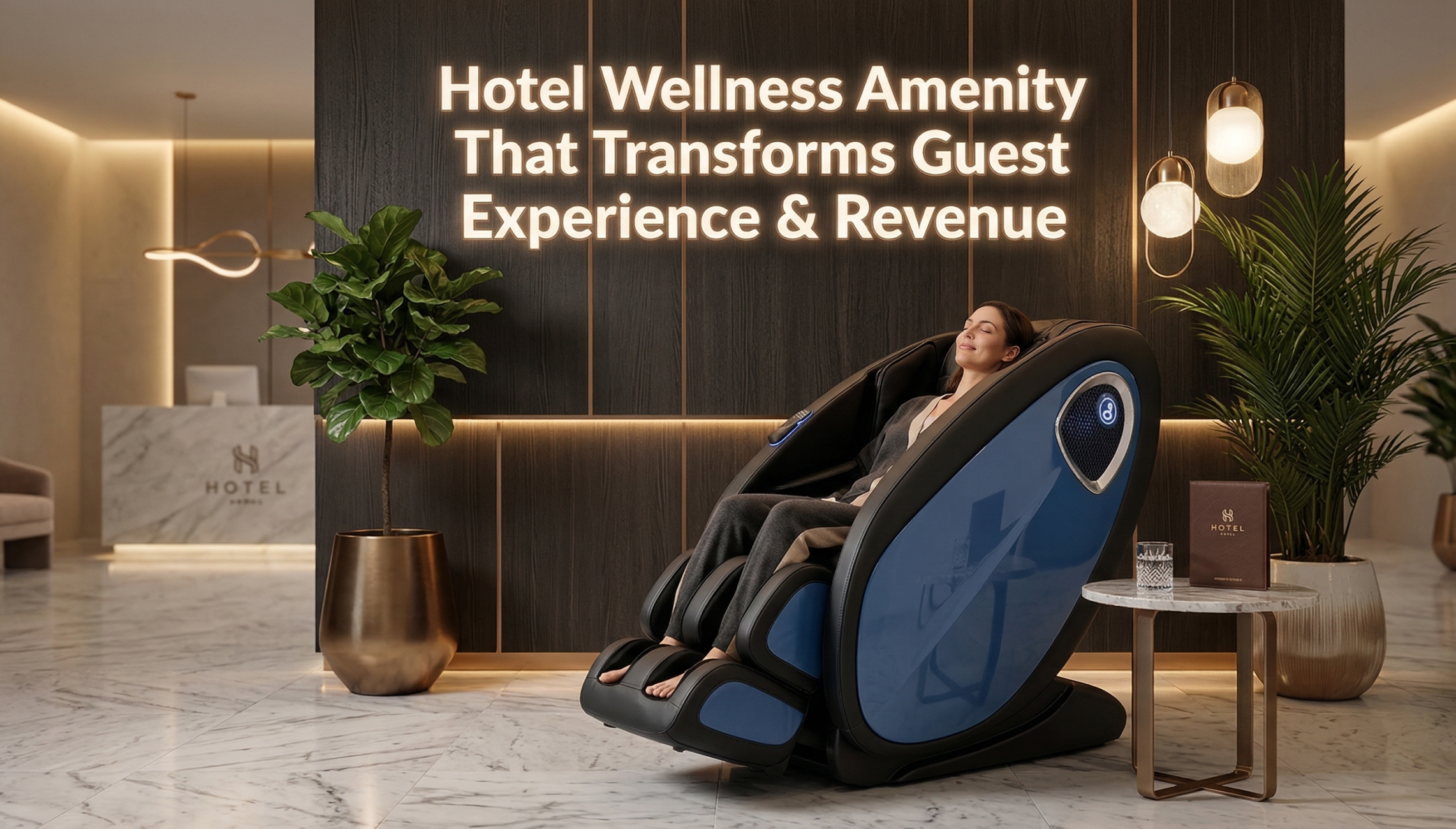
A well-placed massage chair in a premium lounge or arrivals area communicates something powerful to guests: your comfort here is not transactional. It’s automatic. This is where products like the Gagake ISPA Express chair have gained genuine traction among hospitality operators. Designed for commercial environments, these chairs are built for durability, hygiene, and the kind of quiet reliability that hotel operations demand. A guest settling into one after a long-haul flight or a day of back-to-back meetings is getting more than a momentary comfort—they’re forming an emotional association with your property.
That association shows up in reviews. It shows up in return rates. And increasingly, it shows up in direct booking decisions when guests are comparing two properties at a similar price point.
The Review Economy and the Role of Unexpected Delight
It’s impossible to discuss hotel revenue management in 2025 without discussing online reviews. Review scores are now directly embedded into booking algorithms on every major OTA platform. A property that moves from a 4.1 to a 4.4 rating doesn’t just feel better about itself; it ranks higher, converts better, and can often command a higher nightly rate without occupancy loss. The guests who leave five-star reviews are almost never the ones who had a perfectly average stay. They’re the guests who experienced something they didn’t expect.
Something that made them pause, pull out their phone, and think, “I have to mention this.” Premium luxury hotel amenities, particularly those that guests discover organically rather than through marketing materials, are disproportionately powerful review drivers. When a guest walks past a massage chair in the lounge and decides to try it for ten minutes while waiting for their room, and that ten minutes melts away three hours of airport stress, they are not going to forget that. They are going to write about it.
This is the uncommon but very real math of experiential investment: a relatively modest capital expenditure on the right amenity can generate hundreds of positive review mentions over its lifespan, each one improving the property’s ranking and conversion rate organically.
Wellness Amenities as a Differentiator in Competitive Markets
In markets with high hotel density, major business cities, resort destinations, and airport corridors—differentiation is everything. Guests shopping between four similar properties at similar rates will make their final decision based on perceived value. Not actual value. Perceived value.
Hotel services and amenities are the primary vehicle through which perceived value is communicated. A property that lists “relaxation lounge with massage chairs” in its amenity description is already telling a story that “fitness center and complimentary breakfast” does not. It’s signaling that the hotel thinks about the whole guest—body, stress level, and recovery—not just their basic needs.
This matters especially in the corporate travel segment, where travel managers and road warriors are increasingly factoring wellness into their accommodation choices. The rise of bleisure travel — the blending of business and leisure — means that even a three-night business trip is expected to offer some element of personal restoration. Hotels that provide that restoration without requiring guests to spend extra or book in advance are winning this segment quietly and consistently.
The Operational Case: Low Maintenance, High Impact
One legitimate concern hoteliers raise about amenity investment is operational burden. Every new amenity is a new thing to manage, maintain, staff, and troubleshoot. This concern is valid, but it applies differently to different categories.
Massage chairs designed for commercial hospitality use are engineered specifically to minimize this burden. They require no dedicated staff, no booking system, no consumables beyond standard cleaning protocols. Compared to a treatment room that requires a therapist, booking management, linens, and product inventory, an automated massage chair delivers a meaningfully similar guest benefit at a fraction of the operational complexity.
For properties exploring how to enrich their hotel facilities without proportionally expanding their operational overhead, this ratio is significant. The guest gets a premium experience. The hotel gets a premium reputation. The operations team manages one more piece of equipment rather than one more service line.
Connecting the Dots: Amenities, Satisfaction, and Bookings
Let’s bring this back to the core premise of hotel revenue management, which is ultimately about optimizing the financial performance of every available room, every day.
The chain of causality here is not abstract. It looks like this:
A hotel invests in a standout wellness amenity. A guest discovers it unexpectedly. That guest leaves a glowing review mentioning it specifically. That review improves the property’s aggregate score. The improved score increases the property’s visibility and conversion rate on booking platforms. More bookings come in at the same or higher rate. Guests who booked partly because of reviews mentioning the amenity arrive with elevated expectations—and the amenity meets them. The cycle continues.
This is not a hypothetical loop. It’s the documented experience of properties that have made deliberate, guest-centric amenity investments and tracked the downstream effects across their revenue and reputation metrics.
Final Thought
The most expensive guest a hotel will ever have is the one who doesn’t come back. Acquisition costs, OTA commissions, marketing spend—all of it compounds when a property fails to convert a one-time visitor into a loyal repeat guest. The most powerful retention tool available to hoteliers is not a points program or a discount. It’s a feeling. The feeling that this place understood what I needed, without me having to ask.
Hotel wellness amenities, intelligently chosen and thoughtfully placed, manufacture that feeling at scale. They turn a functional stay into a restorative one. They turn a satisfied guest into an enthusiastic one. And they turn a one-time booking into a relationship—which is and has always been the most durable foundation for long-term hotel revenue growth. The massage chair in the corner of your lounge isn’t furniture. It’s a revenue strategy.


Leave a Reply