
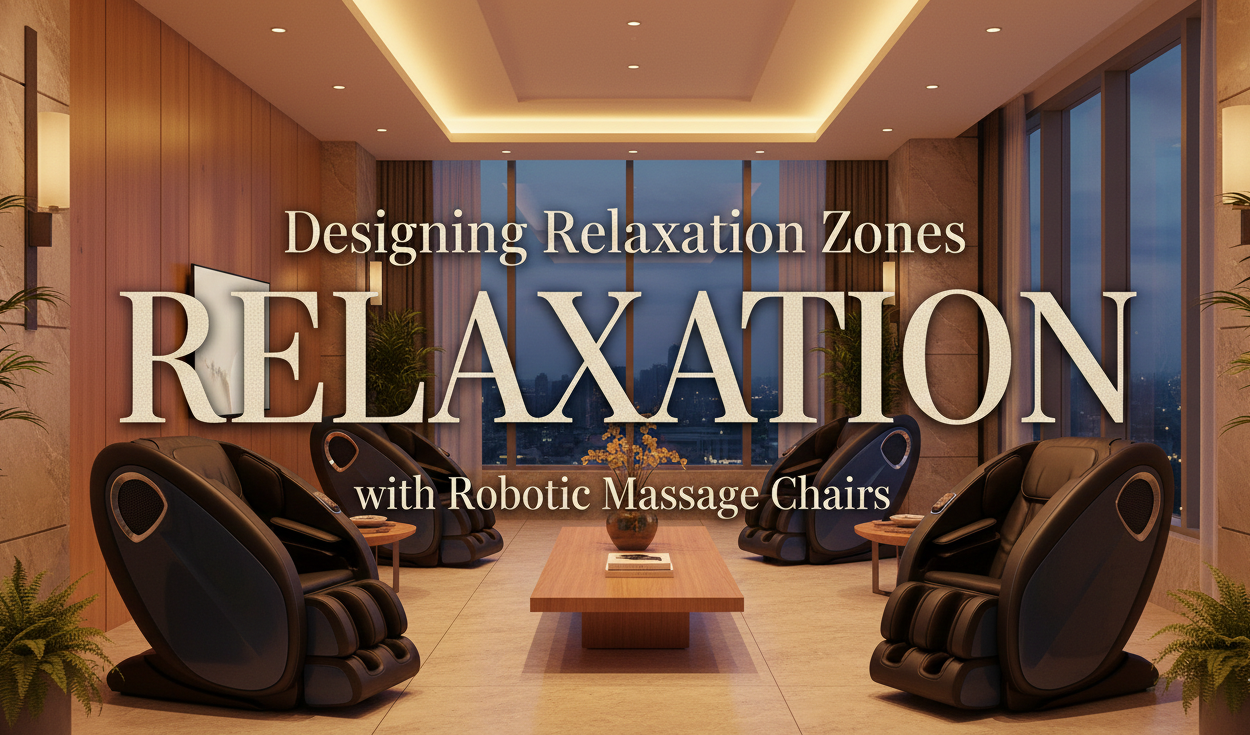

Canada’s present-day hotel visitors demand more than basic room amenities and efficient room service. The physical exhaustion which results from long-distance travel together with business engagements and conference attendance and urban sightseeing causes travelers to seek instant rest when they arrive at their hotel. Hotels utilize Robotic Massage Chairs to create new ways for visitors to experience their facilities.
The implementation of Robotic Massage Chairs in hotels creates dedicated relaxation spaces which lead to longer guest stays in lobbies and improved customer satisfaction and higher revenue from additional services without the need to hire permanent staff.
The blog shows Canadian hotels how to create relaxation spaces while showing them the advantages of Robotic Massage Chairs and teaching them the procedure to achieve optimal return on investment.
Are Robotic Massage Chairs Worth It for Hotels?
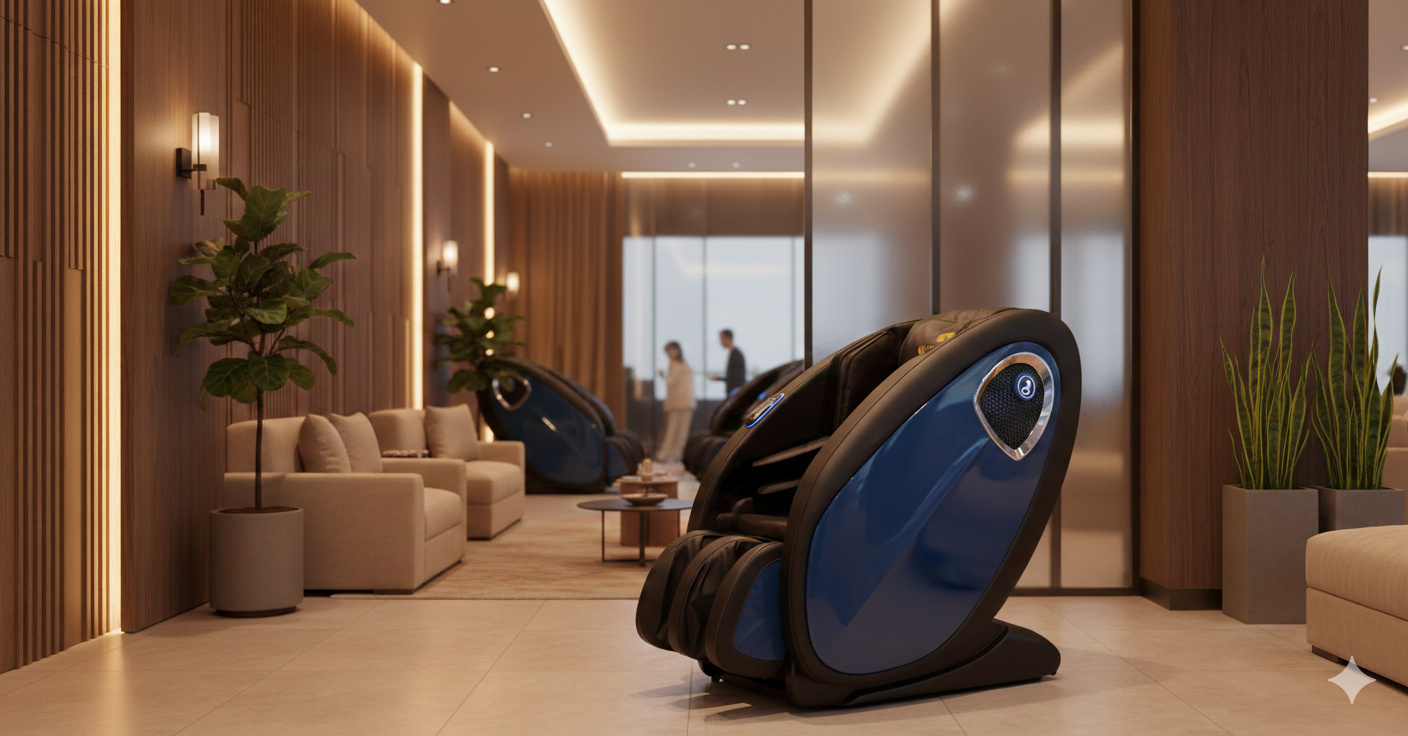
The answer is yes. The robotic massage chairs serve as a hotel wellness solution which Canadian hotels can expand while maintaining cleanliness and generating profits. The solution decreases operating expenses while improving guest satisfaction and transforming unused areas into top-tier relaxation spaces.
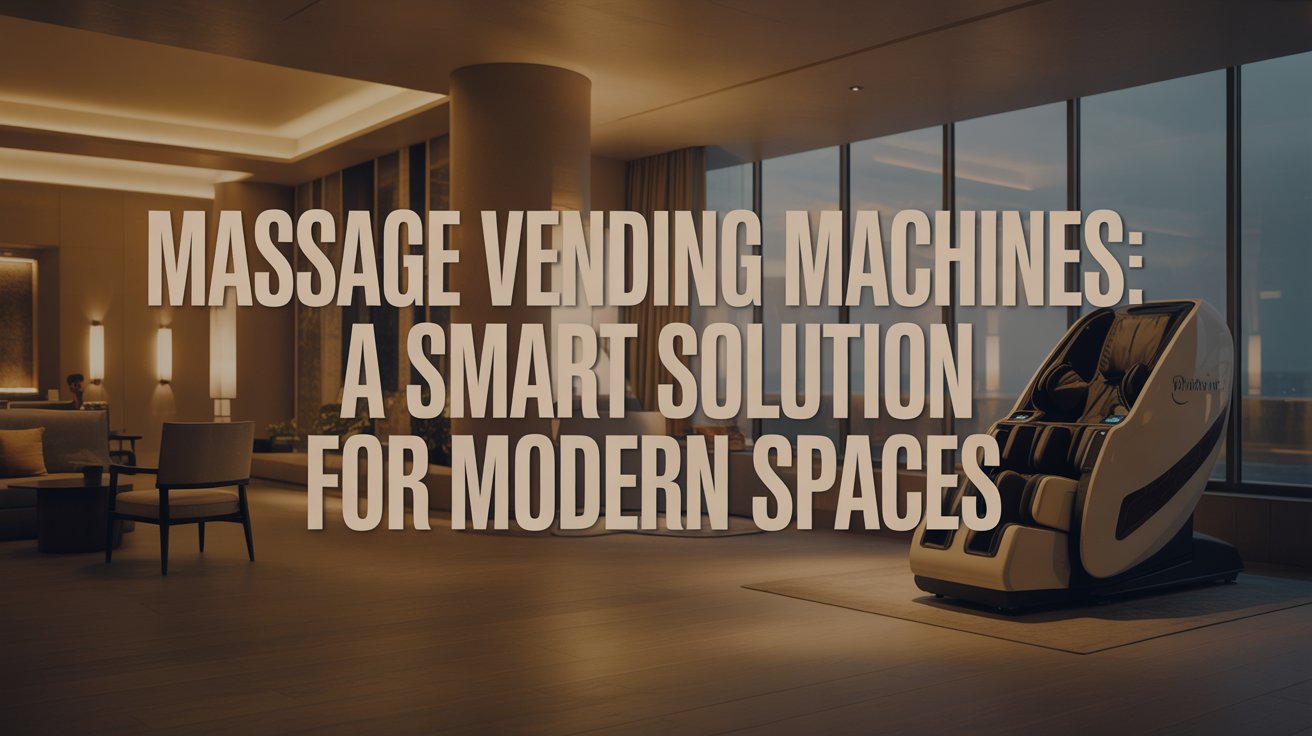
A hotel relaxation space which includes Robotic Massage Chairs will provide both guest access to relaxation and a monetizable wellness offering when it gets developed through appropriate design methods.
The Problem Hotels Face Today
1. Rising Guest Expectations
Guests now compare hotels based on wellness offerings. The spa industry needs appointments and qualified personnel and ongoing upkeep which mid-range and business hotels find difficult to maintain.
2. Underutilized Lobby and Common Areas
The large waiting areas and lobbies of hotels create spaces which do not bring any actual benefits to the establishment. The areas maintain their aesthetic charm through design elements but they fail to produce any monetary gain.
3. Staffing and Cost Challenges
Hiring massage therapists involves scheduling complexity, compliance requirements, and ongoing payroll costs especially challenging across multiple hotel locations in Canada.
Designing Relaxation Zones with Robotic Massage Chairs
Why Robotic Massage Chairs Are Ideal
Robotic Massage Chairs use AI-driven body scanning, pressure mapping, and multi-technique massage programs to deliver consistent, full-body relief. They work autonomously, require minimal supervision, and are available 24/7—perfect for hotel environments.
Step-by-Step Guide to Designing a Hotel Relaxation Zone
Step 1: Choose the Right Location Inside the Hotel
The most effective relaxation zones are placed in:
- Hotel lobbies near waiting areas
- Executive lounges
- Conference floors
- Spa-adjacent corridors
These placements naturally attract guests without disrupting hotel flow and complement existing hotel lobby amenities.
Step 2: Define the Relaxation Experience
A well-designed relaxation zone is not just about placing chairs. It should feel intentional. Key design elements include:
- Soft lighting and acoustic control
- Neutral colors and calming textures
- Privacy panels or partial enclosures
- Clear signage explaining benefits and usage
This transforms the area into an automated wellness massage station, rather than a random seating corner.
Step 3: Select the Right Robotic Massage Chairs
When choosing Robotic Massage Chairs for hotels in Canada, prioritize:
- Full-body coverage (neck, shoulders, back, hips, legs, feet)
- Adjustable intensity for different age groups
- Quiet motor systems suitable for public spaces
- Easy sanitization features
Some hotels also install models similar to a full body massage chair Canada travelers are already familiar with, increasing trust and adoption.
Step 4: Decide on Free vs Paid Access
Hotels can deploy Robotic Massage Chairs in two ways:
- Complimentary access for premium rooms or loyalty members
- Pay-per-use via QR code or card payment
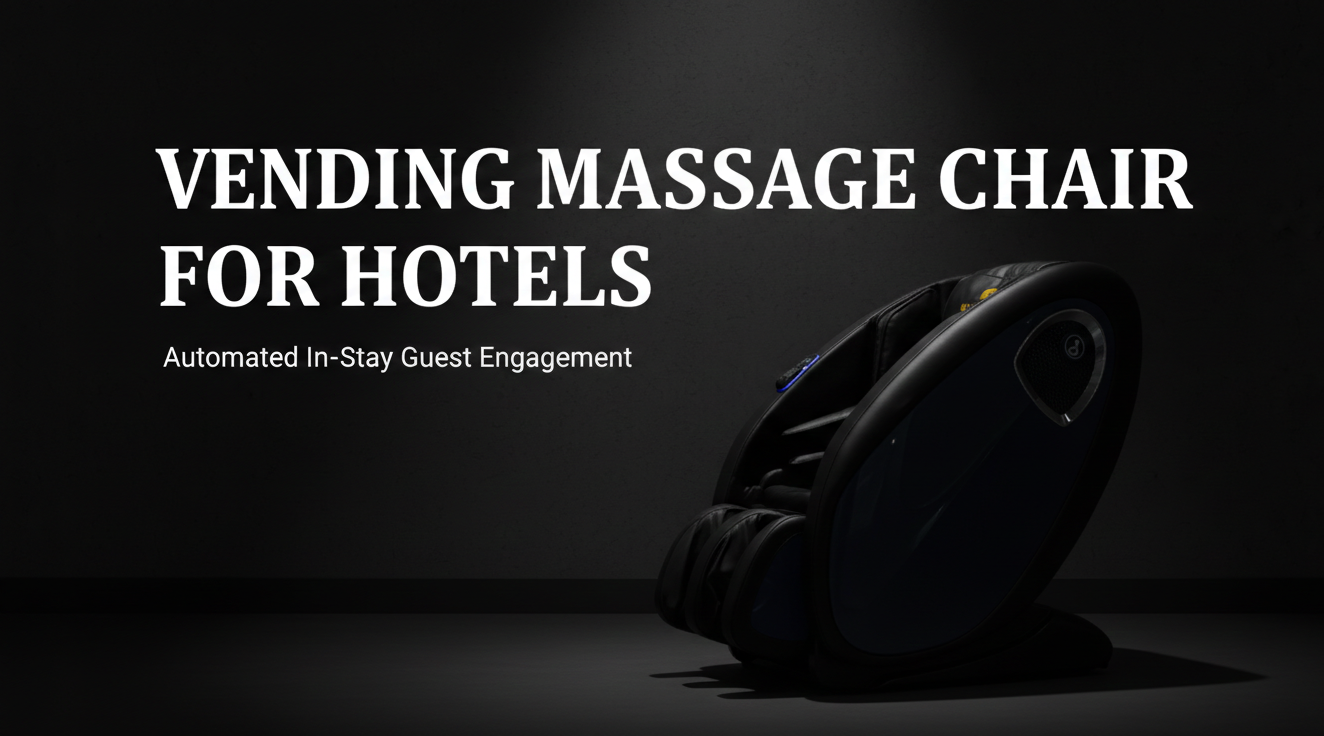
Many Canadian business hotels successfully operate a hotel massage station model that generates passive revenue while enhancing guest perception.
Step 5: Integrate with Corporate and Business Guests
Conference-heavy hotels benefit from positioning relaxation zones as a corporate wellness station. Business travelers often use Robotic Massage Chairs between meetings to reduce stress and improve focus, making hotels more attractive for event organizers.
Real-Life Scenario: A Canadian Business Hotel Transformation
A mid-sized business hotel in Toronto converted a low-engagement lounge corner into a relaxation zone with Robotic Massage Chairs by Gagake iSPA Express. Within three months:
- Guest satisfaction scores related to comfort increased
- Conference bookings improved due to added wellness appeal
- The chairs generated recurring monthly revenue without staff
The hotel later expanded the concept to another floor, proving the scalability of Robotic Massage Chairs.
Why Robotic Massage Chairs Align with Canadian Hospitality Trends
Canada’s hospitality market prioritizes:
- Hygiene and automation
- Sustainable operations
- Smart use of space
- Wellness without high labor dependency
Robotic Massage Chairs fit seamlessly into this ecosystem, offering consistent performance while meeting guest expectations for modern wellness solutions.
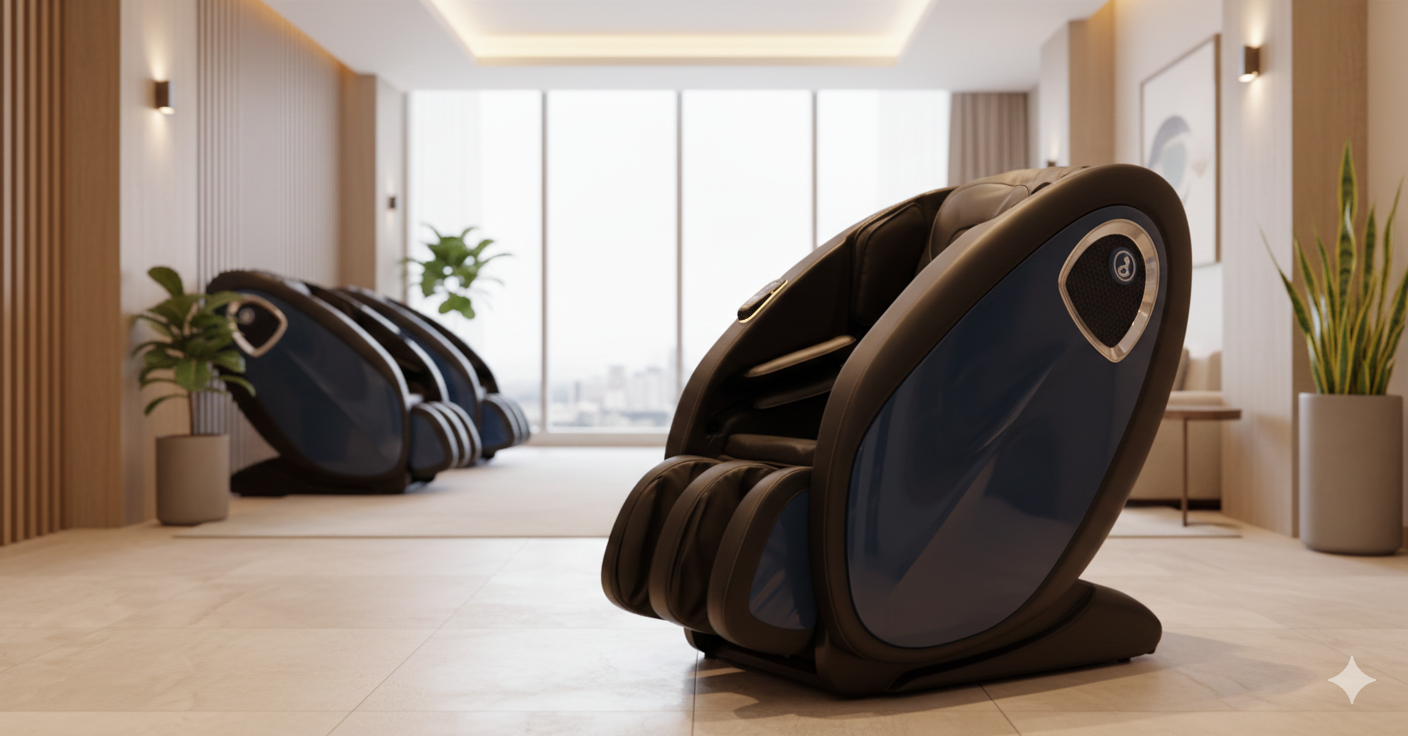
Maintenance and Operations: What Hotels Need to Know
Robotic Massage Chairs are low maintenance. Most require:
- Daily surface sanitization
- Periodic software updates
- Basic mechanical inspections
Compared to spas, they drastically reduce operational complexity while delivering predictable guest satisfaction.
Some hospitality brands partner with specialized wellness solution providers like Gagake iSPA Express to implement end-to-end relaxation zones, from chair selection to layout design and monetization strategy.
Final Thoughts: A Smart Investment for Canadian Hotels
The practice of relaxation zone design through Robotic Massage Chair installation stands today as a strategic necessity for hotels. The solution enables hotels to achieve multiple benefits which include improved guest satisfaction and enhanced online ratings and optimized space usage and creation of new income sources.
The implementation of Robotic Massage Chairs enables Canadian hotels to differentiate themselves by providing guests with comfort and innovative solutions that deliver wellness benefits at their convenience.
Hotel operators in Canada should begin to assess their current unused areas for potential redevelopment. The establishment of a relaxation space through Robotic Massage Chairs will transform guest downtime into an exceptional wellness experience which will foster customer loyalty and positive reviews and increased business revenue.
FAQs
Are Robotic Massage Chairs suitable for all age groups?
Yes. Most Robotic Massage Chairs offer adjustable intensity levels, making them suitable for young adults, business travelers, and seniors.
Do Robotic Massage Chairs replace hotel spas?
No. They complement spas by offering instant, on-demand relaxation, especially for guests who don’t want full spa sessions.
How much space is required for a relaxation zone?
A functional zone can be created in as little as 100–150 square feet, depending on the number of Robotic Massage Chairs.
Are Robotic Massage Chairs hygienic for public use?
Yes. Modern chairs are designed with easy-clean surfaces and can be sanitized between uses, meeting Canadian hospitality hygiene standards.
Can hotels track usage and revenue?
Many Robotic Massage Chairs come with digital dashboards that allow hotels to monitor usage patterns and optimize placement.

Leave a Reply