

— And What Actually Drives Bookings in a Modern Hotel Amenities (Insights for Gagake iSPA Express)
In today’s Modern hotel amenities landscape, hotels are no longer competing only on price; they are competing on perception, experience, and trust. From rooftop pools to lavish spas, premium lounges, and high-end hotel amenities, the assumption has long been that more features automatically mean higher bookings.
Yet real-world data from city hotels, business hotels, and even luxury properties shows a different reality.
While hotel accommodation offerings have expanded rapidly, occupancy rates often remain unchanged. Whether it’s a short stay hotel catering to transit guests or a long stay hotel serving extended visitors, the same question persists:
Why don’t most hotel amenities actually increase occupancy?
This article breaks down guest behavior, industry insights, and how Gagake’s iSPA Express approach helps hotels focus on what truly drives bookings quality hospitality, guest comfort, and real-time reviews, not just excess facilities.
1. The Myth: Why More Isn’t Always Better in a Modern Hotel Amenities
a. Guests Aren’t Booking Hotels for “Extra Stuff”
Contrary to popular belief, most travelers do not choose a modern hotel amenities based on the length of its amenities list. Research consistently shows that guests prioritize:
- Location
- Price-to-value ratio
- Reviews and reputation
- Cleanliness and comfortable rooms
For example:
- A corporate traveler booking a business hotel cares more about fast Wi-Fi, smooth check-in, and quiet rooms than a luxury spa.
- Leisure travelers choosing a city hotel for a weekend getaway often value proximity to attractions over gyms or pools.
- Guests booking a short stay hotel focus on convenience and speed, not indulgent extras.
Many studies on hotel accommodation reveal that a large percentage of guests never use most amenities during their stay. When amenities don’t align with the guest’s purpose, they simply don’t influence booking decisions.
b. Amenity Overload Drives Cost — Not Demand
Adding more hotel amenities significantly increases operating expenses:
- Staffing and training
- Maintenance and utilities
- Marketing and promotion costs
However, when these amenities don’t match guest expectations, they fail to convert into higher occupancy.
In many modern hotel amenities have become “expected” rather than “exciting.” Free Wi-Fi, air conditioning, and clean bathrooms are no longer selling points — they are minimum standards of quality hospitality.
This leads to amenity creep: hotels continuously adding features that inflate costs without increasing bookings.
2. Amenities Shape Perception — But Rarely Trigger Bookings
a. Guest Satisfaction ≠ Booking Motivation
Well-executed hotel services and amenities do improve guest satisfaction and reviews — but they are rarely the reason a guest books.
Guests appreciate:
- Clean, comfortable rooms
- Hygienic bathrooms
- Reliable climate control
- Smooth service delivery
They do not, however, want to pay more for amenities they don’t plan to use.
Surveys show that satisfaction is driven by comfort, cleanliness, and staff behavior — not luxury extras like spas or gyms.
b. Only a Few Amenities Actually Influence Occupancy
Amenities that can affect bookings usually fall into three categories:
Functional essentials
- High-speed Wi-Fi
- Easy check-in/check-out
- Reliable housekeeping
Segment-specific amenities
- Business services in a business hotel
- Breakfast for families
- Pet-friendly rooms for niche travelers
Targeted wellness and relaxation
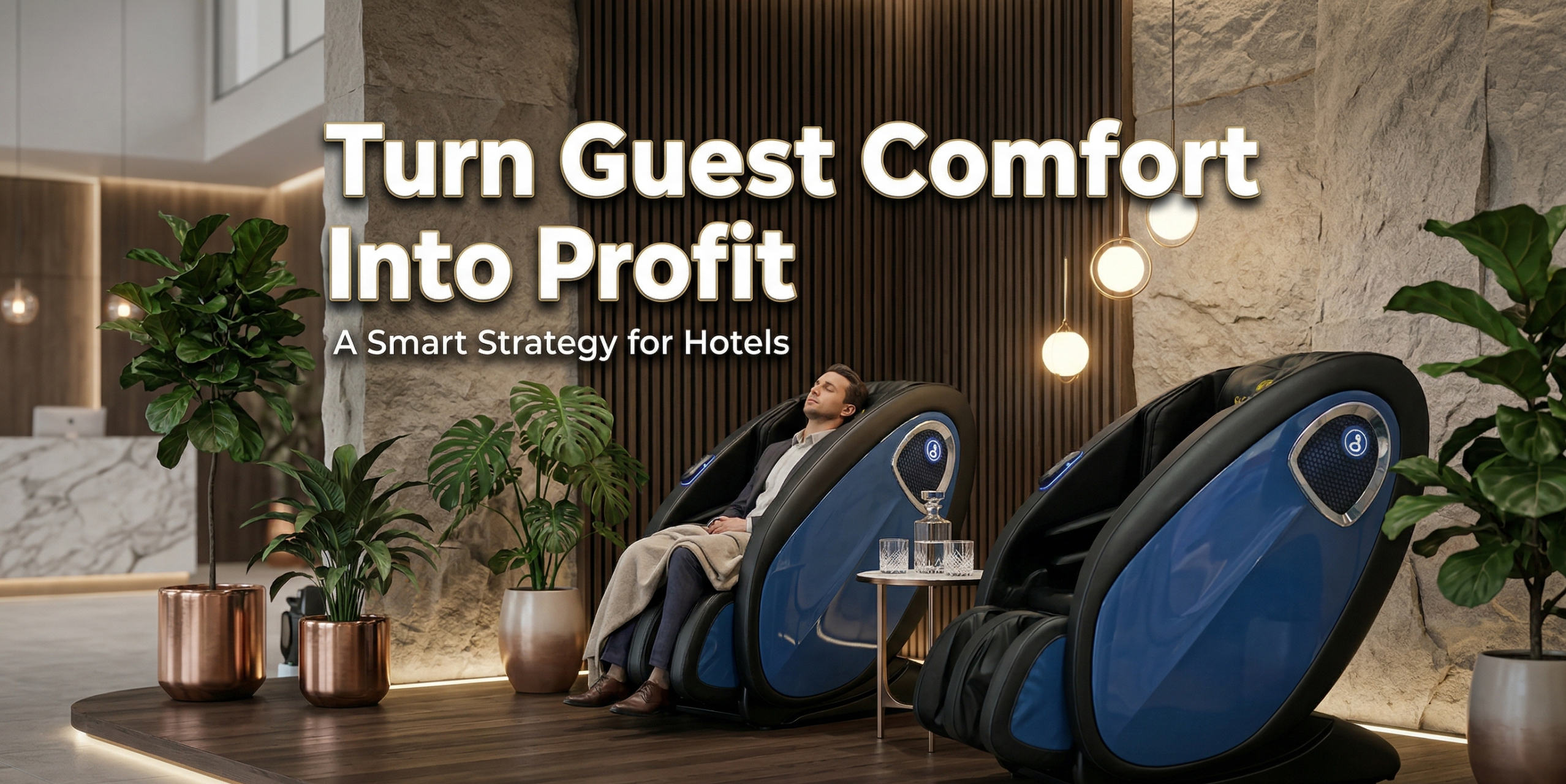
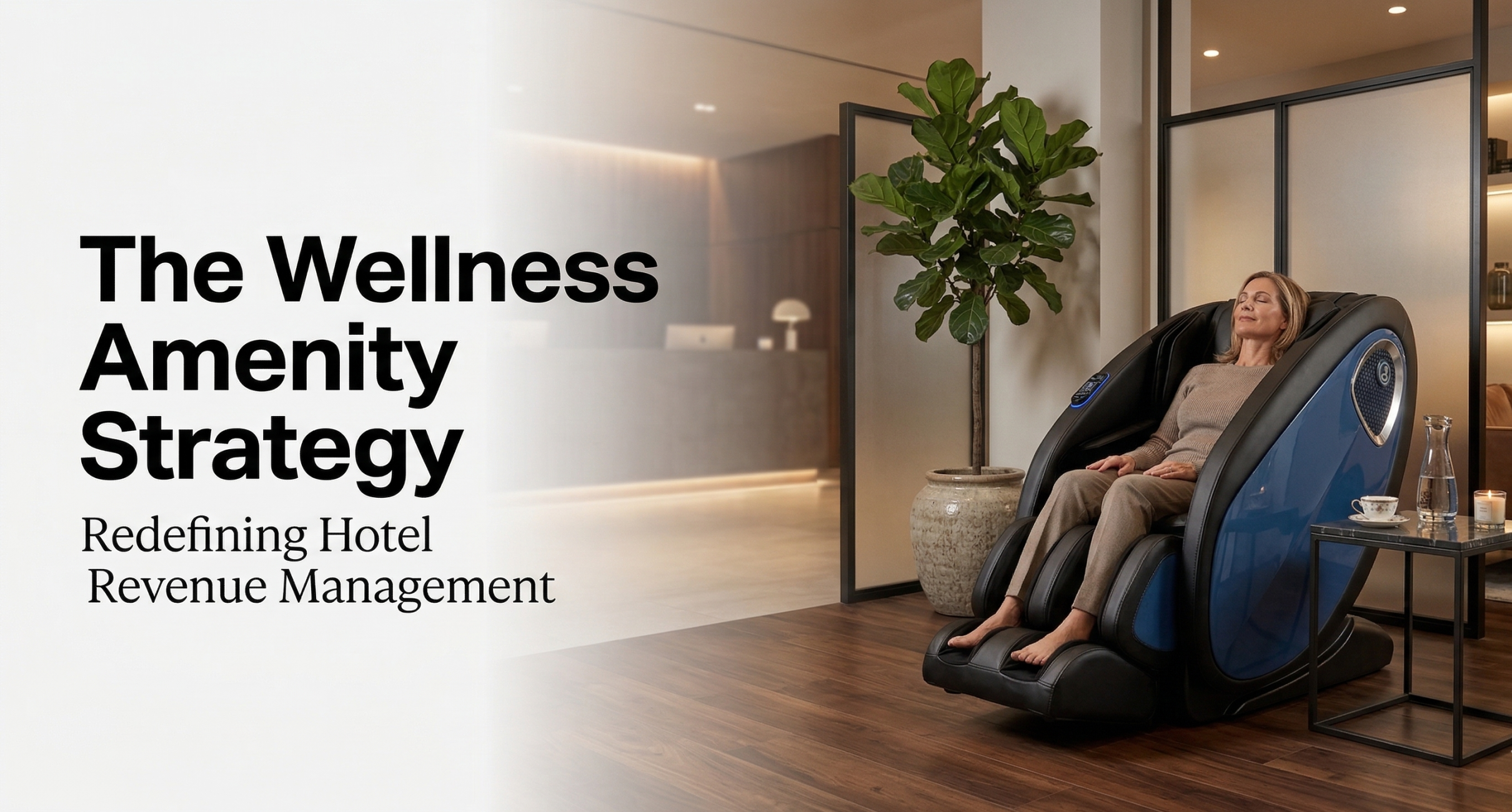
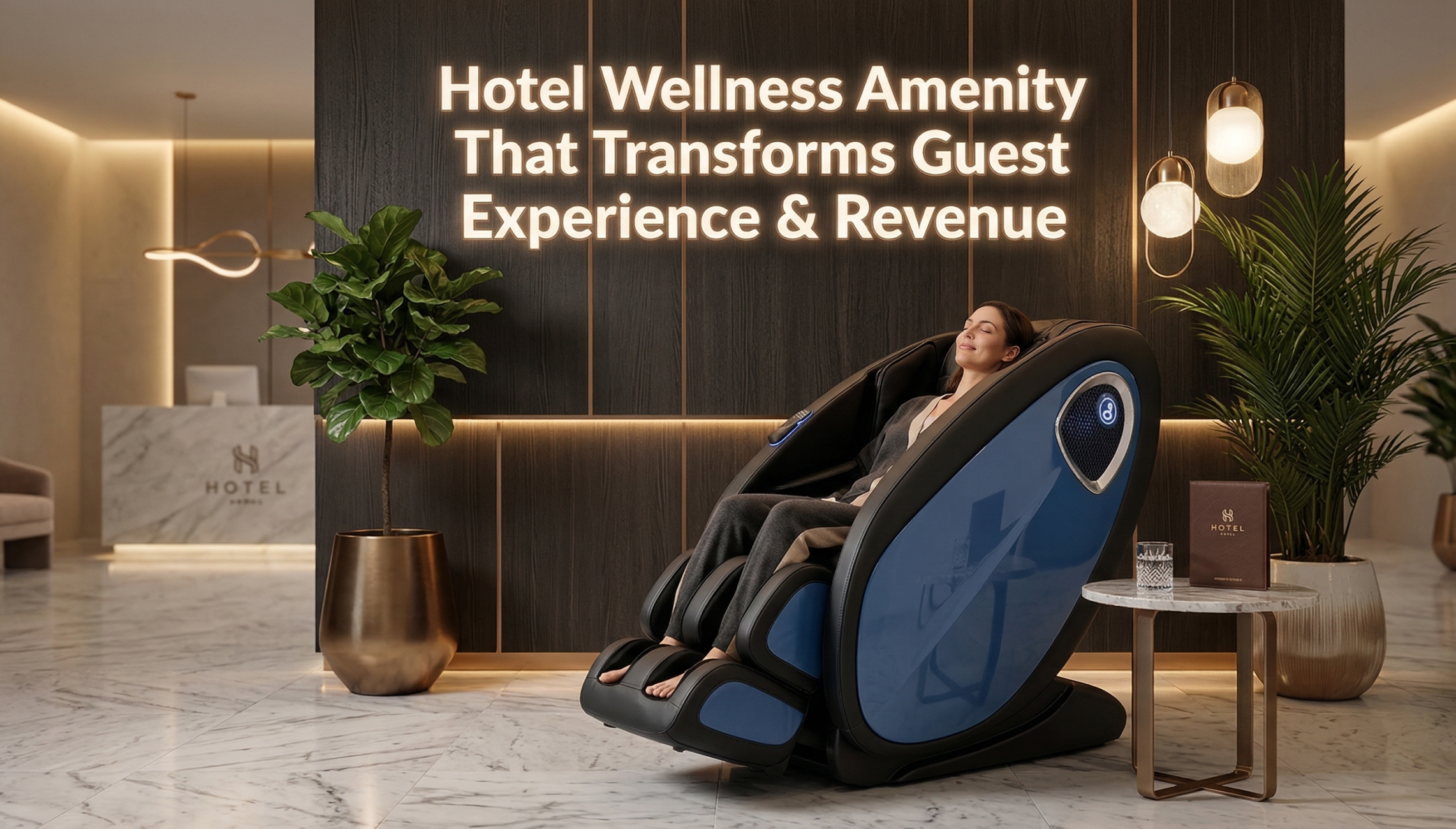
- Thoughtfully placed massage chairs
- Compact solutions like a massage vending machine
- Access to the best massage chair experience without a full spa setup
This is where Gagake’s iSPA Express concept fits perfectly — offering wellness experiences that are convenient, scalable, and guest-aligned, rather than expensive, underused facilities.
3. Reviews and Reputation: The Real Drivers of Occupancy
a. Reviews Matter More Than Hotel Amenities
In the digital era, reviews influence bookings more than any list of hotel amenities.
Guests booking hotel accommodation:
- Read multiple reviews
- Compare sentiment, not features
- Trust other guests more than marketing claims
A modern hotel amenities with strong reviews consistently outperforms competitors with longer amenity lists but weaker reputations.
Gagake’s iSPA Express is built around this insight — capturing in-stay, emotional feedback that boosts OTA rankings, visibility, and booking confidence.
b. Timing of Feedback Is Critical
Most hotels request reviews after checkout — when guests are busy, disengaged, or traveling.
iSPA Express captures feedback during peak satisfaction moments, increasing:
- Review volume
- Review authenticity
- Positive sentiment
This directly improves search ranking, trust, and organic occupancy growth for city hotels, business hotels, and long stay hotels alike.
4. Amenities Work Only When Strategically Aligned
a. Amenities Must Match the Guest Profile
Effective hotel services support a hotel’s core audience:
- Business hotel: Fast Wi-Fi, quiet floors, 24/7 assistance
- Long stay hotel: Laundry, workspace comfort, wellness access
- City hotel: Local experiences, relaxation touchpoints like massage chairs
Random or excessive amenities rarely increase bookings. Alignment does.
b. Visibility and Clarity Matter
Even valuable amenities won’t impact occupancy if:
- They’re buried in OTA descriptions
- Poorly explained
- Misaligned with expectations
Misrepresentation often leads to negative reviews — damaging occupancy more than helping it.
5. Experiences Beat Physical Amenities
a. Guests Value Experiences Over Items
Travelers increasingly choose hotels based on how the stay feels, not how many facilities exist.
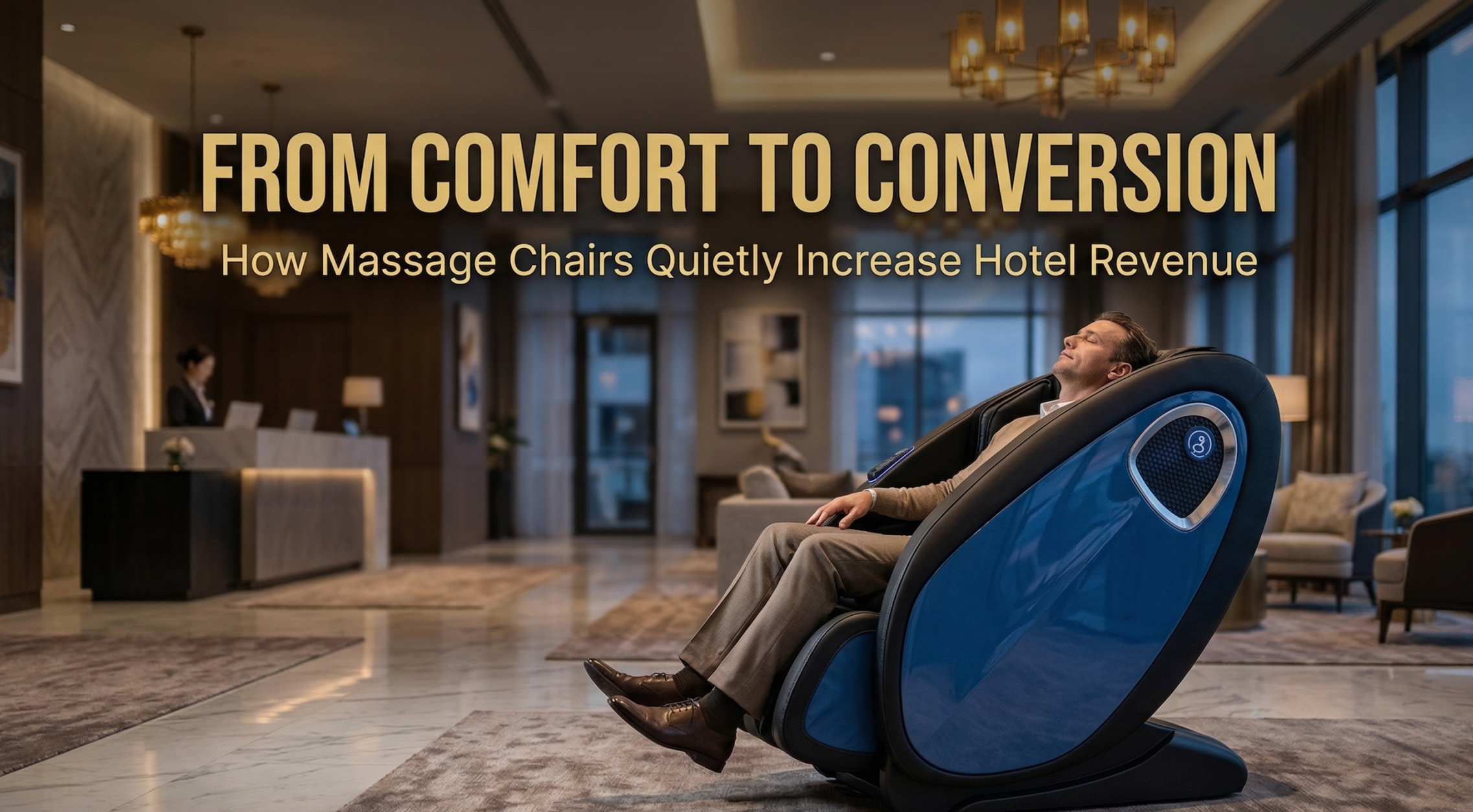
A thoughtful experience — such as a short wellness break on a best massage chair after a long day — creates stronger emotional recall than a full spa that guests never visit.
b. Convenience Is the New Luxury
Digital and comfort-focused solutions now define quality hospitality:
- Mobile check-in
- Keyless entry
- Express wellness via massage vending machines
- On-demand relaxation without appointments
These features boost satisfaction without heavy capital investment.
6. When Amenities Do Increase Occupancy (The Exception)
Amenities can influence bookings when they:
- Define the brand (boutique or luxury hotels)
- Perfectly match niche demand
- Are bundled smartly with stays
Even then, occupancy increases because of value perception, not the amenity itself.
7. What Actually Boosts Occupancy in a Modern Hotel Amenities
- Authentic reviews and reputation (iSPA Express’s core strength)
- Competitive pricing and location
- Reliable hotel services
- Consistently comfortable rooms
- Clear brand positioning
Amenities support bookings only when they reinforce these fundamentals.
Amenities Support Occupancy — They Don’t Drive It
In a modern hotel amenities alone do not increase occupancy. Guests book based on trust, reviews, comfort, and perceived value — not the sheer number of features.
Strategic amenities like massage chairs, compact wellness solutions, and guest-aligned experiences enhance satisfaction and reviews — which then drive bookings.
That’s why Gagake’s iSPA Express focuses on turning guest comfort into digital proof, helping hotels improve visibility, ranking, and occupancy organically — without overspending on amenities guests may never use.
Frequently Asked Questions
1. Do hotel amenities increase occupancy in a modern hotel amenities?
Most hotel amenities do not directly increase occupancy in a modern hotel. Guests prioritize location, price, reviews, and comfortable rooms over extra facilities.
2. What amenities matter most for business and city hotels?
In a business hotel or city hotel, essentials like fast Wi-Fi, smooth check-in, and reliable hotel services matter more than luxury extras.
3. Are massage chairs better than full spas for hotels?
Yes. Massage chairs and massage vending machines offer quick wellness at lower cost and are often more effective than spas in short stay and long stay hotels.
4. Why is quality hospitality more important than amenities?
Quality hospitality drives better reviews and trust, which increases bookings more than adding more hotel amenities.

Leave a Reply